Web Hosting is an essential online service that makes your website’s content readily accessible on the internet.
When you purchase a Web Hosting plan, you are securing a dedicated space on a physical server to store all your website’s files and data.
A reliable Web Hosting provider delivers the crucial technology and resources necessary for the effective and Secure web hosting of your website.
They ensure the server remains operational, implement robust security measures, and facilitate the successful transfer of data, such as text, photos, and other files, to visitors’ browsers.
In this article, you will gain a comprehensive understanding of Web Hosting basics, why it is important, how it functions, and the various types of Web Hosting available.

Why is web hosting important?

Before we discuss the necessity of Web Hosting, it’s essential to understand that any computer connected to the Internet can host a website.
This means you can use your personal device as a web server to deliver your website to visitors.
However, this brings up the crucial issue of why you absolutely need a professional Web Hosting service.
While the idea of managing your own website might seem attractive, it comes with significant complications that are not worth the risk.
How Does Web Hosting Work?
Web Hosting is a service that allows individuals and organizations to make their websites accessible on the internet.
When you create a website, it comprises various files, including HTML documents, images, and scripts.
These files must be stored on a server, a powerful computer specifically designed for storing and managing data effectively.
Here’s how it works:
- Domain Name: First, you need to choose a domain name, which is the web address people will use to access your site (like www.abcd.com).
- Web Hosting Provider: You need to choose a Web Hosting provider that offers reliable server space for storing your website files. There are various types of Web Hosting services available, including Shared Hosting, Dedicated Hosting, and Cloud Hosting, specifically designed to meet different website requirements.
- Upload Files: Once you secure a Web Hosting plan, you must upload your website files to the server using tools like FTP (File Transfer Protocol) or the control panel offered by your Web Hosting provider.
- Server Response: When a user enters your domain name into their web browser, a request is immediately sent to the server that hosts your website. The server processes this request and delivers the relevant files back to the user’s browser.
- Website Access: The browser receives the files and displays your website, allowing users to interact with it seamlessly.
In summary, web hosting is crucial for making your website accessible online. It involves storing your site’s files on a server and delivering them to users upon request.

Types of Web Hosting Services
There are various Web Hosting options available. It’s crucial to choose the right Web Hosting service for your website.
Most Web Hosting providers offer several packages designed for different types of customers, from web hosting for small businesses to large enterprises.
Shared Hosting

Shared hosting effectively allows multiple users to utilize the same server resources, including memory, processing power, and storage space.
Its simplicity and low web hosting cost make shared web hosting the definitive solution for small businesses and personal websites that don’t require advanced configurations or high bandwidth.
This makes shared hosting an excellent choice for beginners who want budget-friendly hosting to launch their online presence successfully.
Pros
- You don’t need to worry about maintenance or server administration.
- Pre-configured server options are essential.
- Technical expertise is not necessary for success in this role.
- Highly affordable and perfectly suited for small-scale websites.
Cons
- Increased traffic on other websites can impact the loading speed of your own website.
- Access to server configuration is restricted.
Virtual Private Server (VPS) Hosting

This type of web hosting ensures that your website shares a physical server with other users, but the web host establishes a virtual partition for each user.
Consequently, a site hosted on a Virtual Private Server (VPS) receives a dedicated allocation of resources.
VPS web hosting is the ideal solution for medium-sized websites, eCommerce stores, and large blogs that are rapidly expanding their visitor base.
Pros
- Flexible options.
- Access to the server with root privileges.
- Increased traffic on other websites will not impact your site’s performance.
- Dedicated server hosting space.
Cons
- Although it is relatively affordable, some users may need to hire a developer to manage the virtual server, which can increase the overall costs.
- Users must possess technical expertise to effectively manage it.

Cloud Hosting

This web hosting solution employs multiple virtual servers to host websites, ensuring optimal performance.
If one server experiences high traffic or encounters an issue, the remaining servers immediately take over, maintaining uninterrupted website operation.
Cloud-based web hosting, which relies on a cluster of web servers, is particularly advantageous for businesses with multiple websites or large-scale operations like eCommerce stores.
It guarantees minimal to no downtime, providing a reliable and efficient hosting environment.
Pros
- Scalability means that your website is not restricted to the resources of just one server.
- Utilizes load balancing to manage high traffic and protect against DDoS attacks.
- The chances of experiencing downtime and hardware failures are reduced.
Cons
- It is pricier than both VPS and shared hosting options.
- Root access is not always granted and must be explicitly obtained.
WordPress Hosting
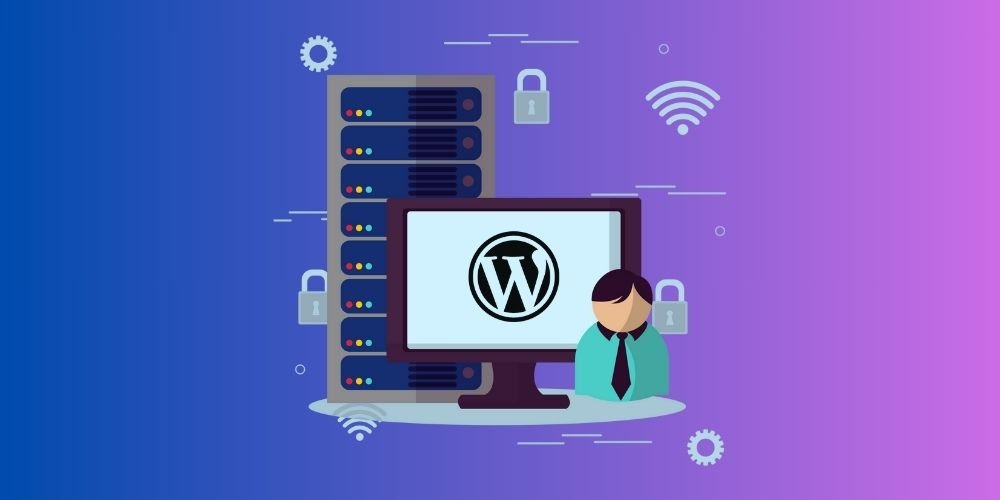
This type of CMS web hosting service is designed specifically for WordPress, providing an optimized server environment that ensures your site loads quickly and minimizes the risk of problems.
While other web hosting types can work for WordPress, choosing a WordPress-optimized hosting plan is the best option.
These plans come equipped with essential web hosting features such as pre-installed themes, plugins for critical functions like caching and security, and a range of powerful tools to enhance your website’s performance.
Pros
- Plugins and themes that are pre-installed with WordPress.
- The customer support team is trained to handle WordPress issues.
- Enhanced performance for WordPress websites.
- Affordable and easy for beginners.
Cons
- This type of web hosting is unsuitable for non-WordPress websites.
Dedicated Hosting

Dedicated hosting refers to the use of a physical server that is allocated to a single website.
By opting for dedicated hosting, you have the ability to configure the server to your needs, select your preferred operating system and software, and customize the entire hosting environment according to your specifications.
Renting a dedicated server offers similar power and capabilities as having your own server on-site, with the added advantage of professional support from your web host.
Consequently, dedicated hosting is an ideal choice for large online businesses that experience significant traffic.
Pros
- Access to the server with root privileges.
- High reliability
- Full control over the server’s configuration.
Cons
- Knowledge of technical and server management is required.
- The high web hosting cost makes it more suitable for large businesses.
How to Choose the Best Web Hosting Service Provider?

As your website expands, you must secure more storage space, bandwidth, and other essential resources.
It’s crucial to consider transitioning to a more advanced hosting solution, like cloud hosting or a Virtual Private Server (VPS).
Choose a web hosting provider that offers a diverse range of services to ensure you can upgrade when you need to.
Furthermore, you must analyze several key factors when selecting between web hosting providers to make the best decision for your needs.
1. Web Host’s Uptime
Frequent and unexpected downtime caused by poorly maintained or unstable web servers can significantly affect your business and damage your customers’ trust.
Therefore, it’s essential to choose a host that delivers on their advertised uptime guarantee.
A reliable uptime guarantee and reasonable terms of service demonstrate a hosting company’s commitment to keeping their systems operational.
2. Online Reviews
Investigate website hosting reviews that offer detailed insights into various web hosting service providers.
Most online reviews cover aspects like uptime and speed, allowing you to evaluate the actual performance of the provider’s servers.
3. 24/7 Customer Support
24/7 customer and technical support is essential when your website faces unexpected lags, crashes, or security breaches.
Ensure that your host offers comprehensive support resources, including tutorials and knowledge bases, to facilitate quick resolutions.
4. Control Panel
A hosting control panel allows you to manage your hosting account without needing to log in to the web server.
Therefore, it’s advisable to choose web hosts that offer an intuitive user interface suitable for users of all skill levels.
Our hPanel enables you to manage your files, create complete backups, and install applications for your website quickly and efficiently.
5. Technical Specifications
In addition to selecting hosting services that offer sufficient disk space, processing power, and bandwidth, it’s important to consider other features that can enhance your website’s performance.
At Hostinger, our servers run on CloudLinux and utilize LiteSpeed technologies to optimize speed and efficiency.
6. Security
Make sure the hosting provider has robust security features to protect your site from malware and DDoS attacks.
These features may include access management, malware detection, automated backups, and regular updates.

7. Additional Services
A great hosting plan delivers exceptional value when it comes with essential free add-ons and features such as an SSL certificate, a business email account, or a content delivery network (CDN).
To learn about the best website hosting services, visit “Hostinger.”
Web Hosting Vs Domain Name?
After selecting a location to store your website files, the next step in setting up your website is to conduct a domain name search and purchase a domain name.
It’s important to understand that domain names and hosting are two distinct yet equally essential components required for publishing your website online.
Hosting stores your website, while a domain name provides its digital identity, making it easily accessible.
A domain name typically consists of a website name and a domain extension, such as .com, .org, or .net.
In addition, there are many other options available, including newer domain extensions like .abc, which have become popular alternatives today.
You can confidently purchase a domain and hosting account from the same or different providers. Many hosting companies, including Hostinger, offer domain registration as part of their services.
To begin, choose a domain name and verify its availability.
After selecting a unique domain name, register it with a domain registrar. If the registrar is different from the hosting provider, purchase a hosting plan and configure the domain name accordingly.
Additionally, purchasing a hosting plan that offers free domain name registration is a simpler and more cost-effective solution.
If you are dissatisfied with the service provided, you can transfer the site to a new host. Just ensure that the company supports your website’s framework.
Conclusion
Choosing the right web hosting service is essential for establishing a strong online presence.
You must decide between Shared Hosting, VPS Hosting, or Cloud Hosting, as understanding the fundamentals of web hosting will empower you to make a confident choice.
Assess your needs comprehensively, rigorously compare web hosting providers, and select a service that not only meets your requirements but also guarantees reliability, security, and performance.
If you have any questions about web hosting, don’t hesitate to reach out to our 24/7 support team for immediate assistance. For more about the best web hosting for beginners, visit “Hostinger”.
FAQ's
Is it necessary to purchase hosting?
Typically, yes. Choosing a web hosting company is the most convenient and cost-effective way to host a website. Reputable hosts also use advanced technologies to ensure your site remains safe and secure. However, if you start a blog on WordPress.com, you won’t need to purchase a hosting plan.
What is the Web hosting cost for a Website?
The cost of hosting a website varies by provider, type, and features. For affordable and beginner-friendly options, Hostinger’s WordPress and Shared Hosting plans are great choices.
Can I Host My Website for Free? How Does Free Web Hosting Work?
You can host your website for free, but there are limitations. Paid plans offer more customization options and provide greater bandwidth, storage, and processing power. Additionally, free plans typically lack extra features that can enhance your website’s speed and security.